
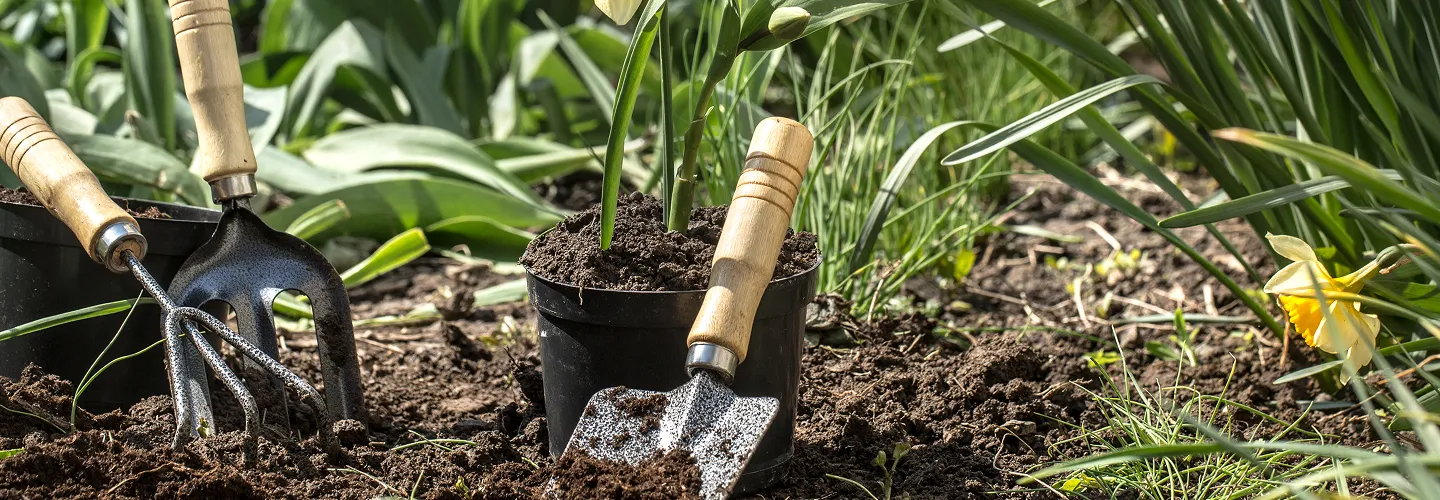
Seville Weeding Services
Choose our professional weeding services for a healthier, more beautiful garden—our experienced team removes unwanted growth efficiently, ensuring your plants thrive and your outdoor space stays immaculate.
Get a Free QuoteOur Seville Landscaping & Yard Care Services
When to Schedule Weeding in Seville, Arizona – Seasonal Guide
In Seville, Arizona, timing your weeding services is crucial for maintaining healthy, attractive landscapes. The region’s unique climate—marked by hot, dry summers and mild winters—means that weed growth patterns differ from other parts of the country. Optimal weeding typically occurs in early spring (late February to April) and again in late fall (October to November), when soil moisture is higher and temperatures are moderate. This approach helps prevent weeds from taking root during the intense summer heat, which is common in neighborhoods like Seville Golf & Country Club and near the Paseo Trail.
Local environmental factors play a significant role in determining the best weeding schedule. For example, Seville’s proximity to the San Tan Mountains can influence microclimates, leading to variations in frost dates and humidity. Areas with dense shade from mature mesquite or palo verde trees, such as those near the community parks, may require more frequent attention due to increased soil moisture and organic debris. Additionally, soil types in Seville range from sandy loam to clay, affecting both weed growth and removal techniques. For more information on local environmental guidelines, visit the Sudbury municipal site.
Local Factors to Consider for Weeding in Seville
- Tree density and shade coverage (especially near parks and golf courses)
- Soil type (sandy, loamy, or clay)
- Seasonal precipitation and drought risk
- Frost dates and temperature fluctuations
- Terrain and slope (affecting water runoff and weed spread)
- Municipal restrictions or HOA guidelines
Benefits of Weeding in Seville
Expert Local Knowledge
Efficient Weed Removal
Eco-Friendly Practices
Customized Landscaping Solutions
Reliable Scheduling
Enhanced Curb Appeal

Seville Weeding Types

Hand Weeding
-
Mechanical Weeding
-
Chemical Weed Control
-
Mulching for Weed Suppression
-
Flame Weeding
-
Soil Solarization
-
Organic Weed Management
Our Weeding Process
Site Evaluation
Weed Identification
Targeted Removal
Soil Treatment
Final Inspection
Why Choose Seville Landscape Services
-
Seville Homeowners Trust Us
-
Expert Lawn Maintenance
-
Competitive Pricing
-
Professional Team
-
Satisfaction Guarantee
-
Personalized Service
-
Reliable Scheduling
Coordinating Weeding Services with Seville's Municipal Programs and Public Works
Seville is a master-planned community within the Town of Gilbert, and residents should coordinate weeding activities with municipal programs that govern green waste disposal, stormwater protection, and neighborhood maintenance standards. The Town of Gilbert's Public Works Department oversees bulk green waste collection and provides guidance on acceptable disposal methods for organic debris generated during weeding operations. Property managers and homeowners should verify current collection schedules and bundling requirements before placing pulled weeds or vegetation debris at the curb. Weed material that enters storm drains or retention basins can obstruct drainage infrastructure, so all removed vegetation should be bagged or contained prior to disposal. Residents managing larger properties or commercial parcels should confirm whether additional hauling arrangements are required through the town's environmental compliance division.
- Bag or contain all pulled weed material before placing it for collection
- Keep weed debris away from curb inlets, retention basins, and drainage channels
- Verify current green waste collection procedures through the town before large-scale weeding projects
- Commercial properties may require separate hauling coordination
Gilbert Public Works Department
Official Website: Gilbert Public Works Department
Gilbert Environmental Compliance
Official Website: Gilbert Environmental Compliance
How Seville's Low-Desert Heat and Alkaline Soils Affect Weeding Pressure
Seville sits within the Phoenix metro low-desert environment, classified under USDA Hardiness Zone 9b, where extreme summer heat and alkaline, calcium carbonate–rich soils create distinct weeding challenges. Soils throughout the area commonly feature caliche layers and decomposed granite fill, which limit deep root penetration for desirable plants but allow shallow-rooted weeds to exploit surface moisture around drip emitters and landscape borders. The monsoon season, typically running from mid-June through September, triggers aggressive weed flushes as summer rains saturate warm soils, producing rapid germination of species such as spurge, puncturevine, and Palmer amaranth. Reflected heat from block walls, concrete driveways, and decorative rock beds intensifies soil surface temperatures, creating microclimates where certain heat-tolerant weeds thrive while ornamental plantings struggle. Irrigation overspray and emitter leaks compound weed pressure along drip lines and bed edges, particularly in subdivisions with dense lot configurations.
- Alkaline soils with pH levels commonly above 7.5 favor adapted weed species over many ornamental plants
- Monsoon moisture combined with soil temperatures above 90°F accelerates weed seed germination
- Reflected heat from hardscape surfaces creates concentrated weed growth zones along walls and walkways
- Drip-line moisture attracts weed establishment directly around valued plantings
Navigating Seville's Regulatory Requirements for Herbicide Use and Stormwater Compliance
Any application of herbicides for weed control in Seville must comply with Arizona state licensing requirements. Under Arizona Revised Statutes Title 3, commercial pesticide applicators must hold valid certification through the Arizona Department of Agriculture's Office of Pest Management. Residents applying herbicides on their own property are not required to hold a commercial license, but must follow all product label directions, which carry the force of federal law. The Arizona Department of Agriculture maintains a noxious weed list that identifies species requiring mandatory control or reporting, and property owners should be aware of any listed species present on their parcels. Stormwater protection is a critical concern in Seville, where the Town of Gilbert operates under Arizona DEQ Phase II MS4 requirements. Herbicide runoff, granular pre-emergent material, and weed debris must not enter storm drains, washes, or retention basins.
- Commercial herbicide applicators must hold current Arizona Department of Agriculture certification
- All herbicide applications must strictly follow product label directions regardless of applicator status
- Pre-emergent granules should not be applied immediately before expected rainfall to prevent wash contamination
- Pulled weed material containing seed heads should be bagged to prevent dispersal into drainage corridors
Timing Weeding Around Seville's Monsoon Season and Desert Growing Cycles
Professional weeding in Seville follows a seasonal rhythm dictated by the low-desert climate. Pre-emergent herbicide applications are most effective when timed before soil temperatures reach the germination threshold for target species—typically late January through early March for winter-annual weeds and again in late September through October for summer-annual prevention. Hand weeding and mechanical removal should occur before weeds set seed, which means addressing winter annuals such as London rocket and filaree by early March and summer species like spurge and carpetweed promptly after monsoon germination. Post-emergent spot treatments are best applied during active weed growth when temperatures are below approximately 100°F to reduce volatilization and drift risk. The University of Arizona Cooperative Extension provides regionally calibrated guidance on integrated pest management approaches that reduce reliance on chemical controls. Around drip irrigation systems, hand removal is generally preferred to avoid herbicide contact with ornamental root zones.
- Apply pre-emergent barriers before soil temperatures trigger target weed germination
- Remove winter-annual weeds before seed set, typically by early to mid-March in the low desert
- Address post-monsoon weed flushes within two to three weeks of germination before root systems establish
- Limit post-emergent spray applications to mornings when wind speeds are low and temperatures are moderate
- Prioritize hand removal within drip-line zones to protect ornamental plantings from herbicide exposure
Gilbert Parks & Recreation Department
Official Website: Gilbert Parks & Recreation Department
What Neighborhoods Do We Serve Throughout Seville, AZ?
- Seville — This master-planned community features dense residential lots with decorative rock landscapes and drip-irrigated plantings where weed pressure concentrates along emitter lines and bed borders adjacent to block walls.
- Agritopia — An agrarian-themed neighborhood with community garden areas and mixed plantings that require careful hand-weeding practices to protect edible crops and ornamental beds from invasive weed encroachment.
- Morrison Ranch — Established subdivision lots with mature desert-adapted landscaping and common-area turf where pre-emergent timing and post-monsoon weed flushes demand consistent seasonal attention.
- Adora Trails — Newer subdivision fill soils and recently graded lots in this community are particularly susceptible to pioneer weed species that colonize disturbed ground before permanent landscaping fully establishes.
- Freeman Farms — Larger residential lots with mixed turf and xeriscape zones create varied weed management needs, requiring coordination between drip-zone hand removal and turf-area herbicide applications.